

Developing Educational Strategies
Education strategy will be shaped by our relationship to distinct traditions and external influences. The first guiding influence is our own values.
We want the education to reflect the principles in ways that make sense for today’s world. In the Connected Curriculum, we will find the way of uniting research heritage and our tradition of challenging orthodoxies with the commitment to innovation and inclusivity, articulating an approach to education that will resonate with ambitious, intellectually curious and dedicated students and staff.
Training and Capacity Building for Teachers and Staff Members
Building the capacity of teacher and academic staff is an essential part of the education strategy. When planning trainings, we will focus on:
- Building the skills needed to carry out the job specifications, not only through preliminary training, but also through on-going refresher training.
- Influencing change in staff attitudes and behaviour by raising awareness and understanding of institution systems for staff accountability.
- Supervising staff through coaching, mentoring, teaching and guidance.


Designing Education Curricula and Courses
A curriculum defines the learning that is expected to take place during a course or programme of study in terms of knowledge, skills and attitudes. It specifies teaching, learning and assessment methods and indicates the learning resources required to support effective delivery. One of the primary functions of a curriculum is to provide a framework or design which enables learning to take place. A syllabus is the part of a curriculum that describes the content of a programme.
Developing Education Technologies for Schools and Universities
The Educational Technology I-ACT team work collaboratively with academics, professional staff and students to develop their educational practices sustainably, in order to improve educational experiences at the sholl and universities. We focus on continuous improvement, development and innovation:
- Working collaboratively with academic departments, programme teams, course offices and individual lecturers on educational development projects, scoping out potential for innovation, making proposals and evaluating our work.
- Supporting academics, professional staff and students in their day-to-day use of City’s core range of educational technologies.
- Providing the pedagogical lead on the design of City’s learning spaces and the teaching and learning styles that the technologies in them facilitate.


Developing Education Strategies using Novel IT Systems
I-ACT will implement Novel IT Modelling for education. These models are an improvement approach that encourages all school, universities and district employees to identify and solve problems that prevent students and others who benefit from education from achieving the highest quality outcomes possible. For instance, Capability Maturity Model Integration, Spice, Lean and Six Sigma models. We introduce Edumod IT Model to assess and improve the education strategies.
Education Enhancements for Sustainable Development
Education for sustainable development (ESD) is a vision of education that seeks to balance human and economic well-being with cultural traditions and respect for the earth’s natural resources. ESD applies transdisciplinary educational methods and approaches to develop an ethic for lifelong learning; fosters respect for human needs that are compatible with sustainable use of natural resources and the needs of the planet; and nurtures a sense of global solidarity.


Introducing international universities to Egyptian higher education
Our strategic drivers – Building Excellence
We will work towards achieving our vision through four central themes – Investing in our staff, Educating for success, Growing capacity and influence, and Raising standards and aspirations – with research, teaching, enterprise and sport embedded in each.
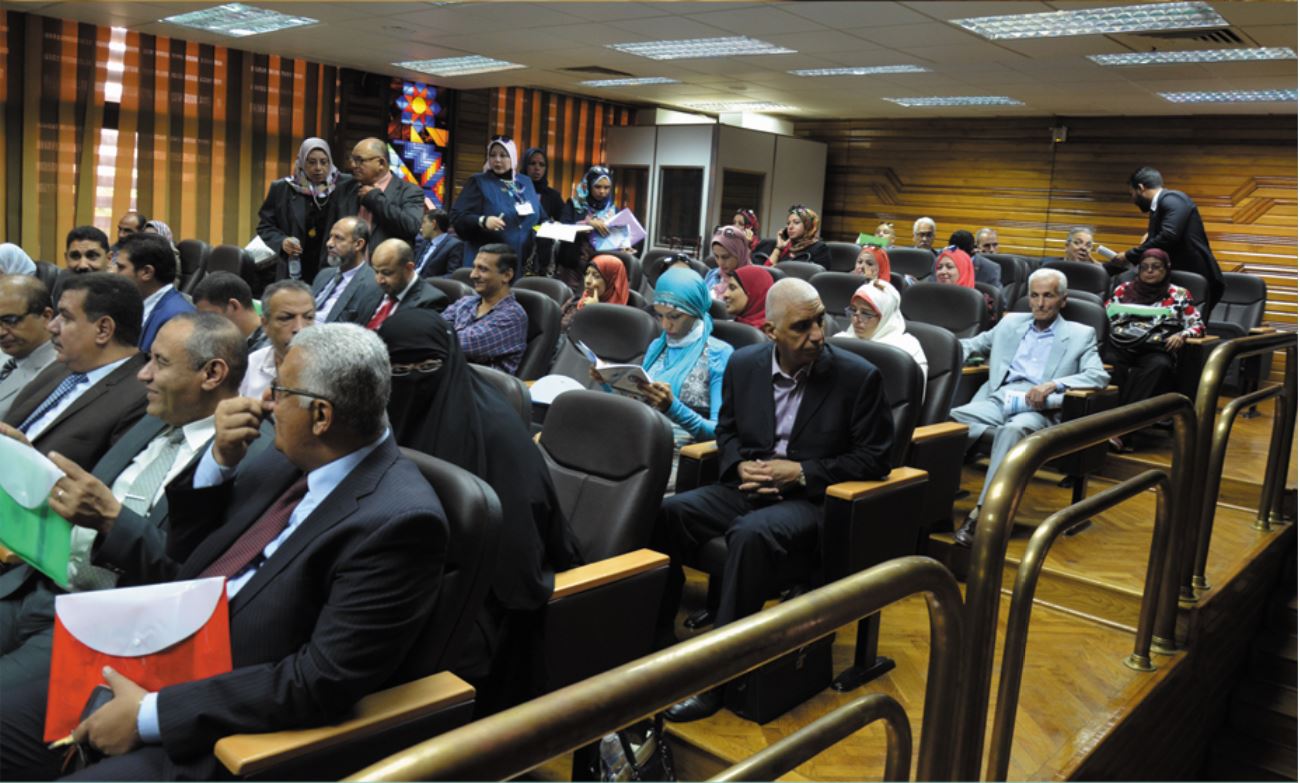
Organising Conferences, Workshops, and Symposiums in Education and Scientific Research
Brining together the great minds from different sectors and countries will provide great benefit for furthering research education and spreading the community interests.
The future of research education and strategies are discussed during well organised conferences and workshops, as well as, round table discussion will bring a good understanding educators, experts, and stakeholders.

Constructing Schools, Academies, and Universities
Education establishments are necessary to allow focus and growth of intellect. We strive to build these facilities in many of the locations that would benefit from them.
Many types of educations are under-represented, such as: vocational, technical, and industrial education. These will help specialise the workforce in excelling in the new technological era.
Recruiting Students and Staff between Universities
Diversity has always bred innovation. We believe that internationalisation between universities will help to exchange and intergrate processes, knowledge, and ground-breaking ideas.
With extensive experience in international collaboration in the industry, we help and facilitate building new connections for students and research workers.

Next Steps...
We would like to invite you to contribute to our projects. Contact us now to lead the change.
PROJECT PROPOSAL
Educational Reform in Egypt using Modeling Techniques
(EDUMOD-Egypt)
Abstract
In this project, International Organization of Science and Technology (I-ACT) will provide a
new proposal for education reform in Egypt and developing countries for the purpose of submission
to the international donor agencies to obtain the necessary funding to carry out the study. The
project aims to establish a strategy to improve and develop education in Egypt and the Arab
countries. The proposal is based on the implementation of software modeling technique as a tool for
planning and scenario development and expected resources to improve and determine the
educational capabilities. During the study it will be detailing the proposed model to provide
methodological support to education planners and specialists in their efforts to formulate plans for
the development of education, credibility, in particular in the context of education for all.
Due to the presence of many of the actors involved in the education sector in various stages,
and also overlapping interests and mutual relations among them, it is necessary to provide the
reliable information systems to predict objectively on the facilitation of political consultations and
financial constraints affecting the development of education. In this proposal, a strategic group will
be formed from members of university leaders and education experts as well as the formation of
technical workgroup to assess and examine all the factors affecting education policy in Egypt. It can
also invite intellectuals and education experts and educators in Egypt and in the Arab world to
participate in the specialized working groups as well as the exchange of experiences in cooperation
with international experts and the beneficiary community, to exchange ideas with various sectors of
society in order to conduct effective assessment and analyses of all data and information to all
relevant educational processes, with the goal of setting priorities.
The aims of this proposal are to provide knowledge and skills for understanding, designing,
analyzing, applying, deploying, and improving software and system engineering processes for
education reform in Egypt.
Arabic Abstract
مقترح لتطوير التعليم في مصر والدول النامية باستخدام أساليب النمذجة
ملخص
في هذا المشروع، تقدم المؤسسة الدولية للعلوم والتكنولوجيا مقتر ح جديد إلصالح التعليم في مصر
والدول النامية بغرض تقديمه إلى الوكاالت الدولية المانحة للحصول على التمويل الالزم إلجراء
الدراسة. ويهدف المشروع إلى استحداث استراتيجية لتحسين التعليم والتنمية في مصر والدول
العربية. وسوف تستخدم في الدراسة تقنية نمذجة البرمجيات كأداة للتخطيط ووضع السيناريو هات
والموارد المتوقعة لتحسين وتحديد القدرات التعليمية. وخالل الدراسة سوف يتم تفصيل النموذج
المقترح لتقديم الدعم المنهجي لمخططي التعليم والمتخصصين في جهودهم الرامية لصياغة خطط
تطوير التعليم ذات مصداقية على وجه الخصوص في إطار سياسة التعليم للجميع.
ً تداخل ً لوجود
ونظ ار العديد من الجهات المشاركة في قطاع التعليم في شتى الم ارحل، وايضا
المصالح والعالقات المتبادلة فيما بينها، فمن الضروري توفر نظم للمعلومات موثوق بها، و أيضا
التنبؤ بموضوعية بشأن تسهيل المشاورات السياسية و القيود المالية وآثر ذلك على عملية تطوير
التعليم. في هذا المقترح، سوف يتم تشكيل مجموعة استراتيجية من القيادات الجامعية وخبراء
التعليم باإلضافة إلى تشكيل مجو عة العمل الفنية لتقييم وفحص جميع العوامل المؤثرة في السياسة
التعليمية. كما يمكن االستعانة بالمفكرين وخبراء التعليم والتربويين في مصر والعالم العربي في
مجموعات عمل متخصصة وكذلك تبادل الخب ارت بالتعاون مع الخب ارء الدوليين والمستفيدين
بالمجتمع، لتبادل األفكار مع مختلف القطاعات من أجل إجراء تقييم فعال، وتحليل البيانات
والمعلومات لجميع العمليات التعليمية ذات الصلة، مع تحديد األهداف واألولويات. ويهدف هذا
المقترح توفير المعرفة والمهارات الالزمة لفهم وتصميم وتحليل وتطبيق نظام إلصالح التعليم في
.مصر باستخدام أساليب نمذجة البرمجيات.