

Our Approach
Our Vision
Supplying long-term practical strategies, plans, and solutions to improve essential sectors for sustained global human development.
Our Story
Our Story
Throughout our previous experience in academic research, we have identified many gaps and opportunities in societies of different nations. However, the research outcomes struggled to become a functional reality. Hence, I-ACT was established to bring these scientific and technological break-throughs to fulfilment in both developing and developed countries.
Meet the Team
The desire to improve the education, scientific research, and environment across the globe has brought this team together to build I-ACT and are dedicated to furthering the horizons of humanity.
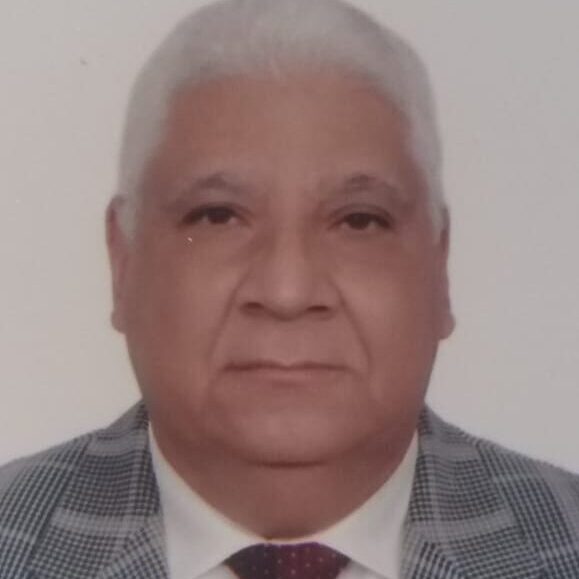
Prof. Dr. Mohamed Ewiss
Founder & Chairman of the Board of Trustees
45 years of experience in academic education and scientific research.

Prof. Dr. Seddik Afifi
Founder & Finance Director
50 years of experience in academic education and university leadership and management
Dr. Loredana Olivo
Founder & Secretary General
30 years of academic education and legal research
Karim Ewiss, M.A.
Founder & Managing Director
Business management and IT expert
Camelia Ewiss, M.A.
Founder & Creative Director
Architectual and design engineering expert
Alice Mazzanti, M.A.
Marketing Consultant
B2B marketing specialist
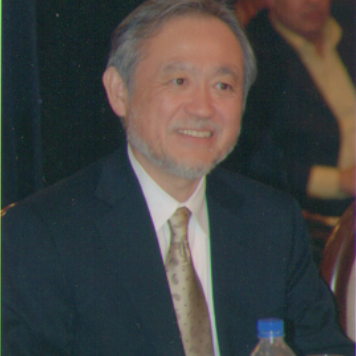
Emeritus Prof. Tatsuya Hasegawa
Scientific Advisor
The then Director of CISRA,
EcoTopia Science institute,
Nagoya University,
Japan
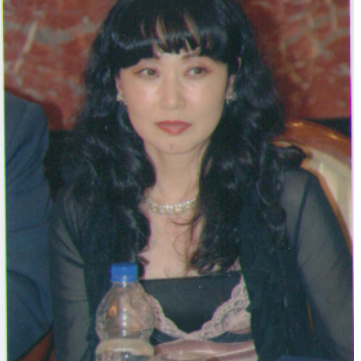
Dr. Maria R. H. Takeuchi
Project Manager
The then Project Manager of CISRA,
EcoTopia Science institute,
Nagoya University,
Japan
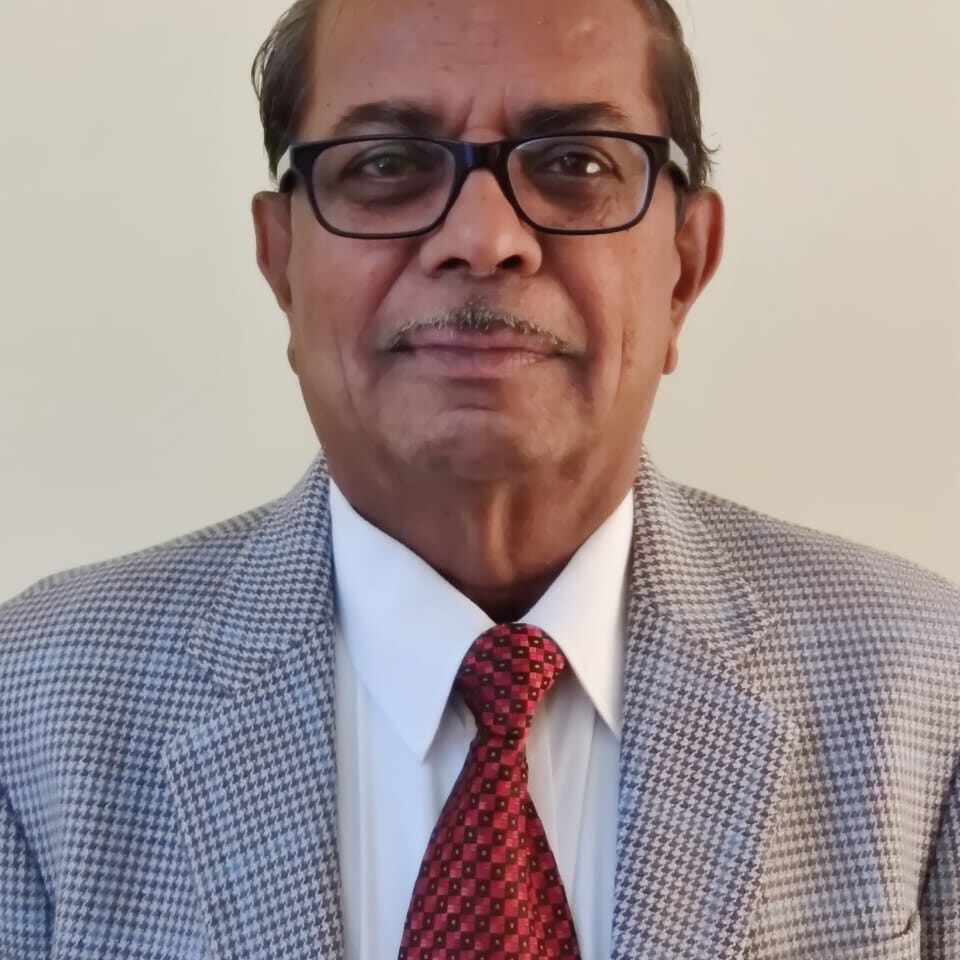
Prof. Chambi Puranik
Educational Advisor
Pro-Vice Chancellor,
Karnataka University,
India
Next Steps...
See the projects we are working on. We are looking forward to our future cooperation.
The international organization of science and technology (I-ACT) is a nonprofit organization
developing and introducing novel solutions to improve standard of living through the international
cooperation to join academia with industrial applications.
I-ACT supports the sustainable development goals (SDGs). We strive to find solutions to
persistent problems affecting societies presently and in the future, these include: education
development, environment protection, environmental sustainability, epidemic diseases and social
protection.
I-Act has experiences in the fields of:
1. Water Quality
2. Goodhealth and well bbeing
3. Quality of Education
4. Affordable and Clean Energy
5. Climate Change
6. Agri Food
The main topics are:
• Supporting research activities related to water and sanitation activities including water
harvesting, desalination, water efficiency, water treatment, recycling and reuse
technologies.
• Introducing a novel solution to improve water quality by reducing pollution etc.
• Introducing research activities to protect and restore water related ecosystems including
underground water, rivers and lakes.
• Introducing novel research activities to early diagnosis of viruses and epidemic
diseases.
• Providing training in the field of human resources for early warning, risk reduction and
management of national and global health risk.
• Introducing and performing different educational strategies in school and university
educations, Specifically tailored for developing education systems in their receptive
economical, social and political environments.
• Developing and improving the energy efficiency and producing biomass.
• Supporting the research activities in the field of climate change and setup new strategies
and planning.
• Providing solution in the fields of sustainable food production system.
• Introducing a novel technology to cultivate desert in Egypt and other development
countries.
At present time I-ACT provides five novel projects as follows:
1. Development of education in developing countries using Modeling approach
(EDUMOD-EGYPT)
2. Localization a Decentralizing sewage Water treatment in Egypt for Producing safe
animals and Fish Proteins. (National Project), need commercialization
3. Improving the scientific research management and capability determination.
4. Development of living biosensor for diagnosis Corona virus.
5. Aquaculture development using innovative physical approach
Project one: We applied the tree model to identify all activities and processes involved in
education development. Nine education sectors are identified as follows:
1. Education Politics
2. Education settlement and equipment
3. Curricula and education programs
4. Educational management
5. Educational budgeting
6. Educational responsibilities
7. Teaching Method
8. Human Resources:
9. Media and Education
We applied operational research to scale all process and to find appropriate solution for improving
education.
This project needs support to be transferred to all ISDB MCs and other developing countries.
Project two: In 2015 we received from Japan a decentralized sewage water treatment system to be
localized in Egypt. We mounted the system at Cairo University and successfully seeding biological
material was developed. These novel materials are necessary to operate the system. We
demonstrated the operation of the system in presence of the prime minister of Egypt and some other
ministers of Science, Housing and Military production. Science that time we provide training to
some African student who are studying at Cairo University.
We need support to commercialize this promising project.
Project three: Providing a measuring system to improve the scientific research and the outcomes.
Academics and managers are trained.
Our team is expert in different scientific areas:
• Medical Sector
• Engineering Sector
• Basic Science Sector
• Humanities Sector
• Social Studies Sector
a lack of knowledge of marketing the research outcomes included in the strategy, however, I-ACT’s
portfolio of partnerships reflects the spectrum of collaborative relationships envisaged in the
strategy, and its partnering behaviours reflect the expected results.
I-ACT and Private Investors Engagement
During and after the Corona virus crisis, The International organization of Science and
Technology (I-ACT) in Egypt looks at the current nature of engagement between civil society and
private sector actors in international development, where both parties bring more than finance to an
activity.
There are four main ways in which I-ACT and business interact or engage:
•I-ACT raises awareness of development-related issues linked to business.
•I-ACT and businesses share information on their respective activities.
•Business provides resources to support I-ACT work and I-ACT provide resources to help
business to deliver better outcomes for development.
•I-ACT and Businesses pool resources to deliver bespoke activities jointly and to participate
in multi-stakeholder actions for change.
In this regard, I-ACT committed itself to support the goals of the sustainable development group
(SDG), especial attention will be paid to provide societies to overcome the socio-economic crisis
which affect the health conditions, quality education, environmental protection, and food security
etc. With this endorsement, we express our intent to share all information and novel ideas with our
partners to develop advanced projects in the above mentioned topics within our sphere of influence.
I-ACT will make clear statements of this commitment to our stakeholders and the investors. We
also pledge to take part in the global activities where appropriate and feasible – through,
involvement in various initiatives and engagement in partnership projects.